Patellofemoral Partial Knee Replacement Surgeon
Struggling with kneecap arthritis and persistent knee pain? Schedule a consultation with Dr. Prem Ramkumar to see if a patellofemoral partial knee replacement is the right solution. Dr. Ramkumar provides advanced treatment for patellofemoral arthritis, helping patients regain mobility, reduce pain, and return to daily activities with a faster recovery than total knee replacement. He is located in Long Beach and serves patients in Los Angeles, Orange County, and surrounding Southern California areas. Contact Dr. Ramkumar’s office today!

What Is a Patellofemoral Partial Knee Replacement?
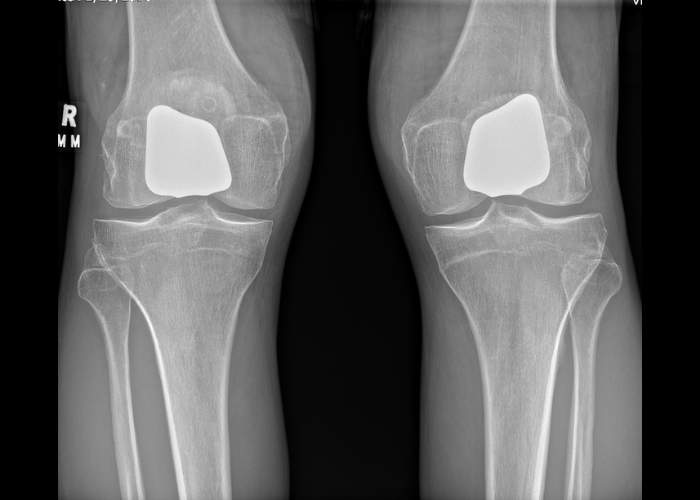
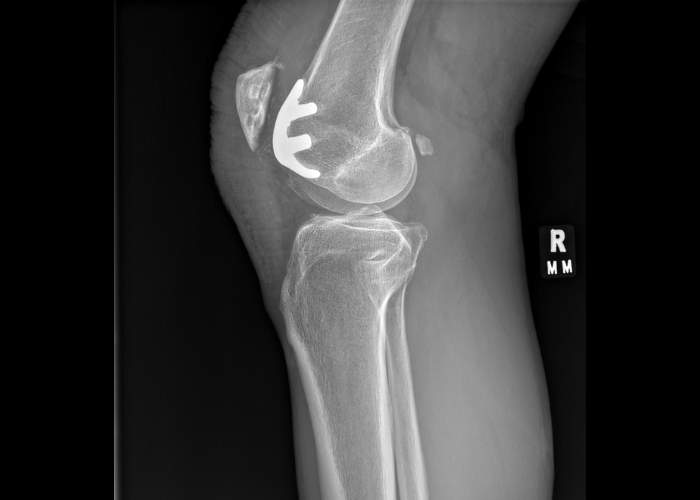
A patellofemoral partial knee replacement is a procedure that treats arthritis isolated to the kneecap (patella) and the groove it sits in on the thigh bone. Instead of replacing the entire knee, this approach focuses only on the front part of the joint, preserving the rest of the knee when it remains healthy.
What Symptoms Suggest Patellofemoral Arthritis?
Patients with patellofemoral arthritis often experience:
- Pain with stairs, especially going up or down
- Pain when rising from a seated position
- A grinding or crunching sensation (crepitus) behind the kneecap
These symptoms are typically caused by isolated cartilage wear behind the kneecap, while the rest of the knee joint is relatively unaffected.
Why Not Just Do a Total Knee Replacement?
When arthritis is limited to the kneecap, a total knee replacement may be more than what is needed. A patellofemoral partial knee replacement targets only the damaged area of the knee. This procedure can avoid unnecessary treatment of healthy compartments within the knee. For the right patient, this can preserve more natural knee function and avoid the added recovery associated with a full joint replacement. Total knee replacements are excellent procedures, but with younger populations there is a serious risk of reoperation. Reoperation after a partial knee is easier and less challenging than reoperation after a total knee replacement. Moreover, partial knee replacements allow for easier return to higher demand activities, like running, skiing, hiking, golfing, and other sports.
How Is This Different from a Traditional Total Knee Replacement?
Unlike a total knee replacement, which resurfaces all three compartments of the knee, a patellofemoral procedure focuses only on the front of the joint between the patella and trochlea. This means:
- Less disruption to the rest of the knee
- Preservation of natural ligaments and joint mechanics
- A more targeted approach based on the specific location of arthritis
What Are Activity Expectations After Surgery?
Many patients are able to return to daily activities with less pain, including walking, stairs, and low-impact exercise. The expectation is walking and climbing stairs the day of surgery! Because the rest of the knee is preserved, the joint can feel more natural during movement. While high-impact activities may still be limited, most patients experience meaningful improvements in function and quality of life with full return to all desired activities.
Who Is an Ideal Candidate for a Patellofemoral Partial Knee Replacement?
The best candidates are those with:
- Arthritis isolated to the patellofemoral joint
- Pain primarily in the front of the knee
- Symptoms like pain with stairs or standing from a seated position
- Healthy cartilage in the medial and lateral compartments
For these patients, a patellofemoral partial knee replacement can provide targeted relief without the need for a total knee replacement.