ACL Retear or Failed ACL Repair Specialist
If you have persistent knee instability or have experienced a failed ACL repair or reconstruction, don’t wait to seek expert evaluation. Dr. Prem Ramkumar provides comprehensive assessments and advanced surgical solutions designed to restore function, stability, and confidence in your knee. Schedule a consultation today to discuss your options and begin the path toward a successful recovery. He is located in Long Beach and serves patients in Los Angeles, Orange County, and surrounding Southern California areas. Contact Dr. Ramkumar’s office today!

Understanding ACL Retear or Failed ACL Surgery:
Anterior cruciate ligament (ACL) injuries are among the most common and debilitating knee injuries for athletes and active individuals. While ACL reconstruction or repair generally has a high success rate, some patients experience a retear of the ACL graft, also known as failed ACL surgery, which can result in persistent instability, pain, or recurrent injury. Without an ACL, the cartilage and meniscus are at risk. Therefore, the long term health and survivorship of the knee is at risk. Dr. Prem Ramkumar, expert orthopedic sports surgeon serving Long Beach, Los Angeles, Orange County, and surrounding Southern California areas, offers specialized care for patients navigating the challenge of a failed ACL Surgery.
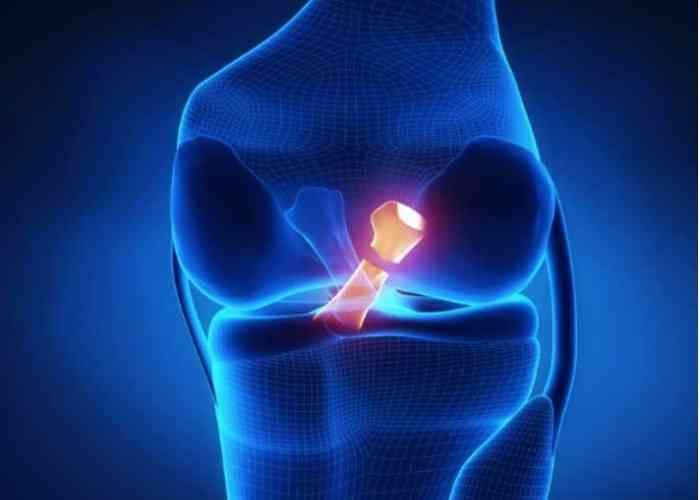
What Causes an ACL retear or Failed ACL Surgery?
A failed ACL reconstruction or repair can occur for several reasons, and understanding these factors is critical for achieving a successful revision. Here are a few things that can impact the success or failure of an ACL Surgery:
Tunnel Positioning:
One of the most common technical causes is improper tunnel placement during the original surgery. If the femoral or tibial tunnels are malpositioned, the graft cannot replicate the natural biomechanics of the ACL, leading to instability and increased risk of re-tear. Tunnel positioning is not always due to surgeon error. Historically, we did not have as much understanding as we do today about ideal ACL graft position nor did we have appropriate surgical instrumentation to achieve the ideal ACL graft position. Even today, there is no true single consensus on where the ACL graft belongs, but we have a clear “zone” to position the graft that acceptable and often better than what was done ten years ago.
Graft Choice:
The type of graft used, autograft (patient’s own tissue) or allograft (donor tissue) can influence outcomes. Certain grafts may not provide adequate strength or may fail to integrate fully, particularly in high-demand athletes. Allograft ACLs have an unacceptably high failure rate, particularly among young patients and those who participate in sports and fitness. All autografts have tradeoffs, but their failure rate is much lower than allograft ACLs because the body is miraculously able to cellularly recognize its own tissue and reprogram it to a new, functional ACL between 9 and 24 months.
Untreated or Unidentified Concomitant Conditions:
ACL tears are often accompanied by other knee injuries, such as meniscus tears, cartilage damage, or malalignment of the leg. Malalignment includes increased tibial slope, varus alignment, or valgus alignment. Other conditions include hyperlaxity or hypermobile joints. If these injuries are not identified or treated during the initial surgery, they can be risk factors for re-rupture or ACL graft failure.
Rotational Instability and the Need for LET:
For some patients, persistent rotational instability (feeling of giving way, looseness, difficulty cutting, difficulty pivoting) may occur even after a prior ACL reconstruction with an MRI that reports the graft is “intact” or not torn. If this occurs, seeing an ACL specialist like Dr. Ramkumar would be helpful to ensure the prior reconstruction is actually sound and no other injuries exist.
In most cases involving a revision ACL reconstruction for an ACL retear or failed ACL surgery, additional procedures are necessary beyond simply performing another ACL reconstruction.
At minimum, a lateral extra-articular tenodesis (LET) is increasingly recognized and used by Dr. Ramkumar frequently as an effective adjunct to decrease the failure rate and address subsequent rotational laxity to reduce the risk of recurrent ACL injury, particularly in athletes. In some cases, osteotomies may be recommended to address bony malalignment issues.
Did my ACL Repair or Reconstruction Fail?
Even after an ACL reconstruction or repair, some patients may experience signs of a failed ACL surgery. Recognizing these warning signs early is critical for preventing further injury and planning a successful revision ACL reconstruction. Common indicators include:
- Persistent knee instability or “giving way” during pivoting, cutting, or jumping
- Ongoing pain or swelling in the knee, especially after activity
- Limited range of motion or difficulty fully bending or straightening the knee
- Painful Clicking, popping, catching, or other mechanical symptoms
- Inability to cut or pivot , despite completing rehabilitation
If you notice any of these symptoms, it’s important to consult Dr. Prem Ramkumar, who has extensive training and success in ACL injuries and ACL Revision Surgery. He serves Long Beach, Los Angeles, Orange County, and surrounding Southern California areas. Dr. Ramkumar can evaluate graft integrity, identify any untreated meniscus or cartilage injuries, assess knee alignment, and determine whether additional procedures may be necessary to restore stability and function.
Serving Southern California Athletes with ACL Surgery Failure:
Patients from Long Beach, Los Angeles, Orange County, and surrounding Southern California communities trust Dr. Ramkumar for expert ACL revision care. Whether you are a high-level athlete or an active adult who has experienced a failed ACL reconstruction, his expertise ensures that each case is managed with precision, evidence-based strategies, and personalized attention.
For more information or if you would like to read a study on ACL re-tears or failures you can click here: Indications for Lateral Extra-articular Procedures in the Anterior Cruciate Ligament-Reconstructed Knee: Part I of an International Consensus Statement