Complex ACL Surgeon for ACL Re-tear or Failed ACL Surgery
If you are still dealing with knee instability or suspect your ACL surgery didn’t fully succeed, a revision procedure may be the next step. Dr. Prem Ramkumar provides thorough assessments and specializes in complex revision ACL solutions, including two-stage reconstruction and lateral extra-articular tenodesis (LET) when appropriate, to rebuild stability and improve long-term outcomes. Book a consultation to review your options and start moving confidently toward a stronger, more reliable recovery. Dr. Ramkumar is located in Long Beach and serves patients in Los Angeles, Orange County, and surrounding Southern California areas. Contact Dr. Ramkumar’s office today!

ACL Surgery Failure: How to Diagnose and Treat It Correctly
Anterior cruciate ligament (ACL) reconstruction is one of the most commonly performed knee surgeries for athletes and active individuals. While success rates are high, ACL retear can occur, leaving patients with persistent pain, instability, and difficulty returning to sport or daily activities. Dr. Prem Ramkumar, board-certified orthopedic surgeon serving Long Beach, Los Angeles, Orange County, and surrounding Southern California areas, provides expert evaluation and treatment for patients facing this challenging scenario.
What Causes ACL Surgery Failure?
Several factors can contribute to a failed ACL reconstruction or repair, and understanding these causes is essential for proper diagnosis and treatment.
- Tunnel malposition: Incorrect placement of the femoral or tibial tunnel can prevent the graft from replicating natural ACL biomechanics.
- Graft choice: Autografts vs. allografts have different strengths and healing profiles; the wrong choice for a patient’s activity level can increase failure risk. Certain grafts are better for certain sports and activities.
- Untreated concomitant conditions: Meniscus tears, cartilage damage, malalignment, hypermobility that were not addressed during the initial surgery can compromise outcomes.
By carefully reviewing surgical history, imaging, and physical exam findings, Dr. Ramkumar identifies the underlying cause and develops a tailored treatment plan.
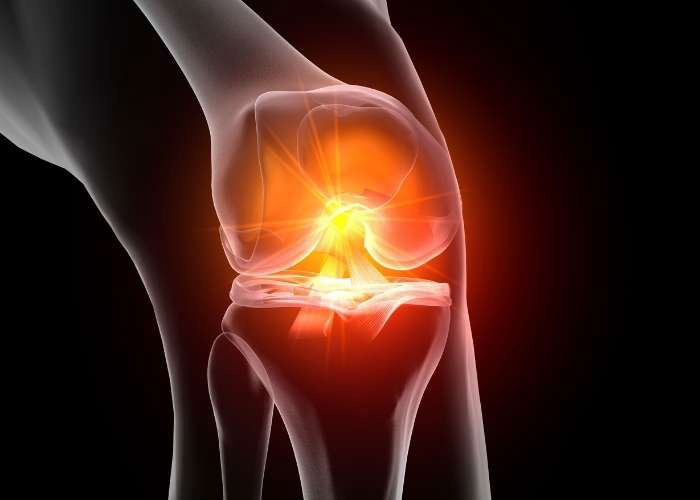
What are the signs and symptoms of ACL Retear
It is critical to recognize ACL retear early! Patients who experience a failed ACL surgery often present with:
- Persistent knee instability or “giving way” during pivoting, cutting, or jumping
- Recurrent pain or swelling, particularly after activity
- Reduced range of motion or difficulty fully extending or flexing the knee
- Clicking, popping, or mechanical symptoms
- Inability to return to previous activity levels despite completing rehabilitation
If any of these symptoms are present, it is important to seek evaluation from an experienced orthopedic surgeon like Dr. Ramkumar, who can assess graft integrity and other underlying injuries.
How is failed ACL Surgery diagnosed?
Dr. Prem Ramkumar begins the diagnosis with a comprehensive approach, including a detailed patient history and symptom review, physical examination to assess knee stability and range of motion, and imaging studies such as MRI or CT scans.
Dr. Ramkumar will evaluate graft placement, tunnel positioning, and associated injuries along with the assessment of meniscus, cartilage, and alignment issues that may have contributed to failure.
What are the treatment options for a failed ACL surgery?
The treatment for a failed ACL surgery depends on the cause of failure, patient activity level, and knee condition. Dr. Ramkumar may consider one or more of the following:
- One-stage Revision ACL reconstruction: A second graft is placed to restore stability. This can be done in one surgery when prior tunnels are far away from the ideal position.
- Two-stage ACL revision: Two surgeries are necessary when planned tunnels converge or may converge with prior tunnels and could compromise fixation of the new ACL graft.
- First stage involves bone grafting to provide enough bone for future ACL graft placement
- Second stage involves a new reconstruction, using a new graft with appropriate tunnel placement
- Meniscus repair or cartilage procedures: Addressing concomitant injuries can prevent re-injury and improve outcomes.
- Lateral extra-articular tenodesis (LET): Often combined with revision reconstruction to control rotational instability in high-demand athletes.
- Osteotomy: Offered when there are significant alignment issues that place the new ACL in excessive risk for retear.
Dr. Ramkumar customizes the surgical plan for each patient, selecting the optimal graft type and addressing all associated injuries to maximize success.
How long is the recovery after an ACL Revision Surgery?
The recovery after a revision ACL surgery is very similar to the first ACL repair or reconstruction. Dr. Ramkumar will individualize a recovery plan based on your specific surgery and recovery goals. In general patients can plan:
- Initial protection and controlled mobility to allow graft healing (4 weeks after surgery)
- Progressive strengthening of the quadriceps, hamstrings, and hip stabilizers with personalized physical therapy. (the subsequent 3-6 months)
- Gradual return to sport-specific drills and functional movement (6-9 months after surgery)
- Full clearance once strength, stability, and confidence are restored (9-12 months after surgery)
With proper surgical technique and rehabilitation, patients can expect improved knee stability, reduced pain, and a safe return to their previous activity levels.
Seeking Expert Care for ACL Surgery Failure in Southern California
If you have experienced persistent instability or pain after ACL surgery, don’t wait! Dr. Prem Ramkumar offers advanced evaluation and revision strategies for patients in Long Beach, Los Angeles, Orange County, and surrounding Southern California areas. By addressing technical issues, concomitant injuries, and rotational instability, he helps patients regain function, confidence, and long-term knee health.
For more information or if you would like to read a study on ACL re-tears or failures you can click here: Indications for Lateral Extra-articular Procedures in the Anterior Cruciate Ligament-Reconstructed Knee: Part I of an International Consensus Statement